
Visiting a growing media raw-material production site can reveal aspects of a product that are not visible on a specification sheet. That has been one of the takeaways for Jennifer Neujahr of Next Step Solutions, who has visited five coir mills and processing facilities in different markets in recent years.
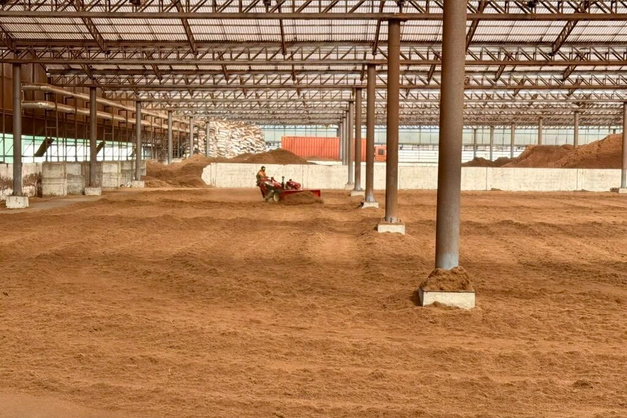
Together with Ted Buis, Jennifer started Next Step Solutions this year, a company focused on helping horticultural businesses commercialize products, technologies and growing media through strategy, commercialization and hands on execution. The visits formed part of their work to better understand the global supply chain for growing media raw materials and the factors that can influence the consistency and performance of coir. “Coir isn’t simply coir,” Jennifer says. “Where the coconuts come from matters, but so does how the material is aged, processed, washed, buffered, dried, screened and stored. Quality systems, water and consistency all matter.”
© Next Step Solution
According to Jennifer, the differences between coir products can start well before the material reaches the processing facility. The origin of the coconuts and the way the raw material is handled throughout the process can influence the characteristics of the final product. “Two products can therefore have similar specifications while having different production processes and supply chains behind them.”
From field to factory
For Next Step Solutions, the visits have reinforced the importance of looking at the complete chain rather than at the finished product alone.
“Our approach increasingly follows a simple path: field, factory, market,” Jennifer says. “First, understand where the raw material originates. Then understand how it is processed and what creates variability. Finally, understand whether the resulting product can deliver the performance, consistency, economics and supply reliability that the market needs.”
That supply chain perspective is also relevant as growers and growing media companies work with a wider range of raw materials. Coir is one part of a growing portfolio that can also include wood fiber, bark, rice hulls and other biomass-based materials, alongside peat and other established components.
 © Next Step Solution
Looking beyond replacement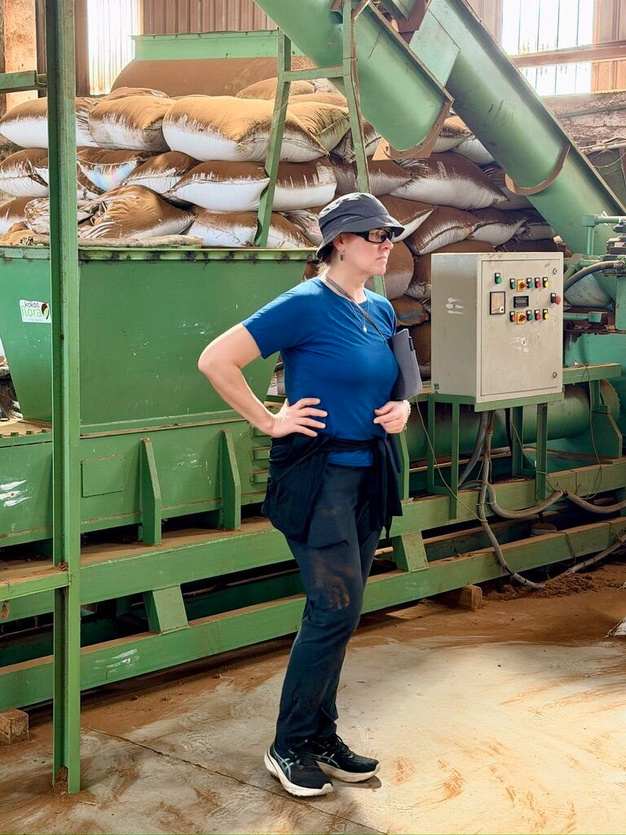 © Next Step Solution
The discussion around alternative raw materials should not focus only on replacing one material with another. “The question isn’t simply what can replace X?” she says. “The more useful questions are what properties the application requires, which raw materials can reliably provide them, whether they can be produced consistently and at scale, where they should be sourced, and whether the economics still work by the time the material reaches the grower.”
This also puts more emphasis on understanding the properties and limitations of individual raw materials and how they behave within a growing media mix. “The future of growing media is unlikely to be one raw material replacing another,” Jennifer concludes. “It will be about understanding a much broader raw-material toolbox and knowing how, where and when to use each component. That requires looking beyond the bag. Sometimes you have to go all the way back to where the material begins and start at the beginning.”
 © Next Step Solution
For more information:
Next Steps
[email protected]
[email protected]
www.nxtstps.com
Trending Products

Benchmark Bouquets – Flowerin...

Perfectione Roses Preserved Flowers...

Sen Flora Preserved Flowers Bouquet...

CKLMMCZX Preserved Flowers Bouquet ...

KaBloom The Romantic Classic Red Ro...

lovenfold Flowers for Delivery Prim...

Stargazer Barn – Holiday Chee...

Benchmark Bouquets – Signatur...

Bloom’s Diary Preserved Flowe...
