
Buying flowers used to be associated with major life moments: birthdays, anniversaries, sympathy, Valentine’s Day, and celebrations. But consumer behavior is changing.
Today, more customers are buying flowers for themselves and it’s creating a growing opportunity for florists.
From self-care spending to home décor trends and “little treat” culture, self-purchase flowers are becoming an important category for modern flower shops.
If your business is looking for new ways to increase everyday sales, understanding the “Treat Yourself” trend could help you grow revenue beyond traditional holidays and gifting occasions.
What Are Self-Purchase Flowers?
Self-purchase flowers are exactly what they sound like: Customers buying flowers for themselves instead of sending them as gifts.
These purchases are often driven by:
- Self-care routines
- Home decorating
- Mood boosting
- Celebrating personal achievements
- Weekly rituals
- Simple everyday enjoyment
Instead of waiting for a special occasion, customers are choosing flowers because they want beauty, comfort, or a small luxury in their daily lives.
For florists, this shift opens the door to more repeat purchases, everyday flower sales, and or subscription flowers.
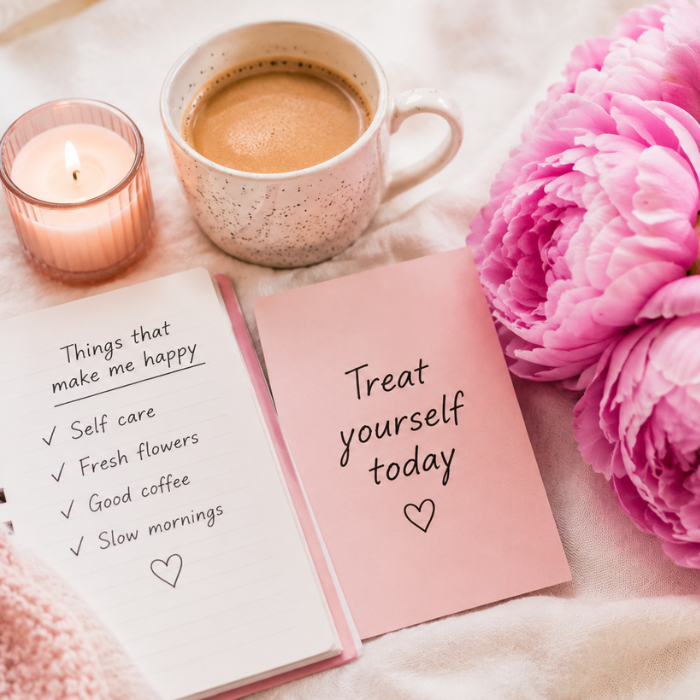
Why Buying Flowers for Yourself Is Trending
Several consumer trends are driving the growth of self-purchase flowers.
1. The Rise of “Little Treat” Culture
Consumers increasingly embrace small, affordable indulgences. Think:
- Premium coffee drinks
- Candles
- Specialty desserts
- Skincare products
- Fresh flowers
The “little treat” trend has exploded across social media, especially among Millennials and Gen Z shoppers.
Fresh flowers fit naturally into this behavior — offering beauty, mood enhancement, and instant gratification without a major expense.
2. Flowers and Self-Care Go Hand-in-Hand
The wellness market continues to influence consumer spending habits. Many people now view flowers as part of their self-care routine.
Fresh blooms can help create:
- A calming home environment
- A more welcoming workspace
- Small moments of joy during stressful weeks
- Emotional comfort and relaxation
Flowers are increasingly seen as emotional wellness products — not just gifts.
3. Home Aesthetic Trends Fuel Everyday Flower Purchases
Social media has changed how consumers think about flowers.Kitchen counters with fresh blooms. Coffee table arrangements. Weekly flower styling routines.
Platforms like Instagram, TikTok, and Pinterest have helped normalize everyday flowers as part of home décor and lifestyle culture.
For florists, that means customers no longer need a holiday to justify purchasing flowers.
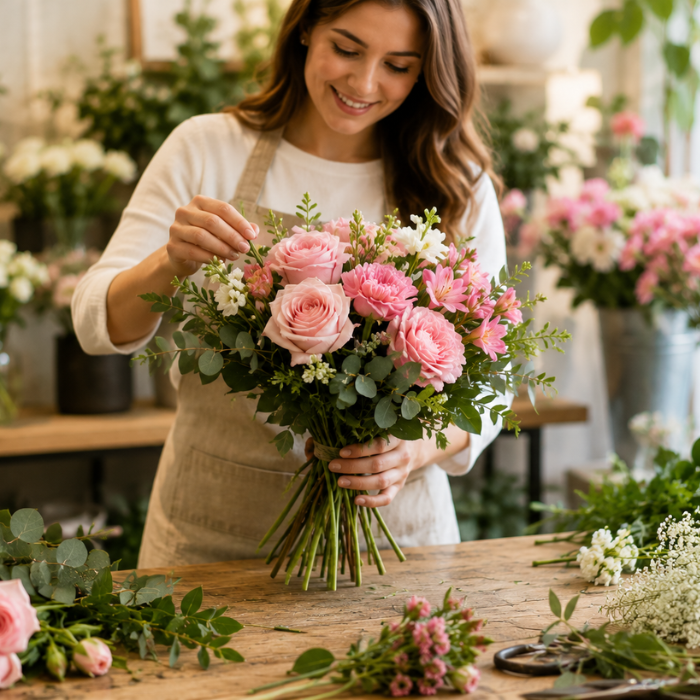
How Florists Can Sell More Self-Purchase Flowers
Want to tap into this growing trend? Here are practical florist marketing strategies to increase self-purchase flower sales.
1. Update Your Marketing Message
Many florist websites and ads focus heavily on sending flowers to others. Common examples include:
- “Send flowers to someone special.”
- “Make their day.”
- “Surprise someone you love.”
These messages work but they overlook self-buyers. Try incorporating language that speaks directly to customers buying flowers for themselves.
Examples:
- “You deserve flowers too.”
- “No special occasion required.”
- “Flowers for your desk, kitchen, or happy place.”
- “Treat yourself.”
- “Because surviving the week deserves flowers.”
Small messaging adjustments can help customers recognize themselves in your marketing.
2. Create Everyday Flower Collections
Consider adding categories on your florist website specifically designed for self-purchase shoppers. Ideas include:
- Treat Yourself Flowers
- Everyday Bouquets
- Self-Care Flowers
- Weekly Blooms
- Desk Flowers
- Home Flowers
- Mood-Boosting Arrangements
Dedicated collections make shopping easier while helping your website rank for everyday flower-related search terms.
3. Offer Accessible Price Points
One reason self-purchase flowers work so well? They often fall into the impulse purchase category.
Customers may not be looking for a large luxury arrangement. They want something approachable, attractive, and easy to justify. Consider offering:
- $15–$35 wrapped bouquets
- Petite vase arrangements
- Grab-and-go flower bundles
- Weekly flower specials
- Market bunches
- Stem bars or build-your-own bouquets
Lower commitment pricing can encourage more frequent purchases.
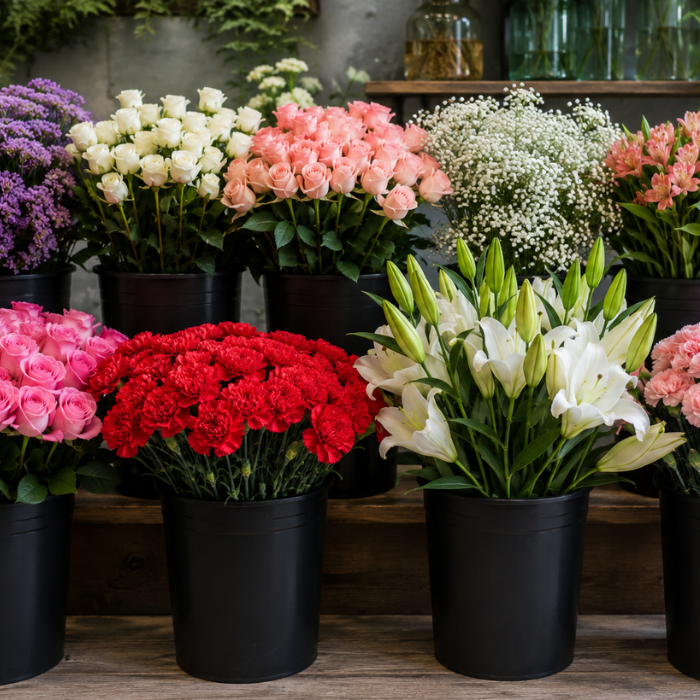
Turn Flowers Into a Routine Purchase
One of the biggest opportunities with self-purchase customers is repeat buying behavior.
Florists can encourage customers to make flowers part of their weekly or monthly routine.
- Offer Flower Subscription Programs
Flower subscriptions are a natural fit for self-purchase customers. Ideas include:
- Weekly flower deliveries
- Bi-weekly bouquet subscriptions
- Monthly home flower plans
- Workplace desk flower programs
Position subscriptions around lifestyle and wellness. Examples:
“Fresh flowers delivered, because your home deserves them.”
“Your monthly reminder to treat yourself.”
Subscription programs can create predictable recurring revenue for flower shops.
2. Build Loyalty Programs for Flower Buyers
Reward customers who buy flowers regularly. Examples:
- Buy 5 bouquets, get 1 free
- Bloom Club memberships
- VIP flower rewards
- Surprise upgrades for repeat buyers
Self-purchase shoppers can become highly valuable long-term customers.
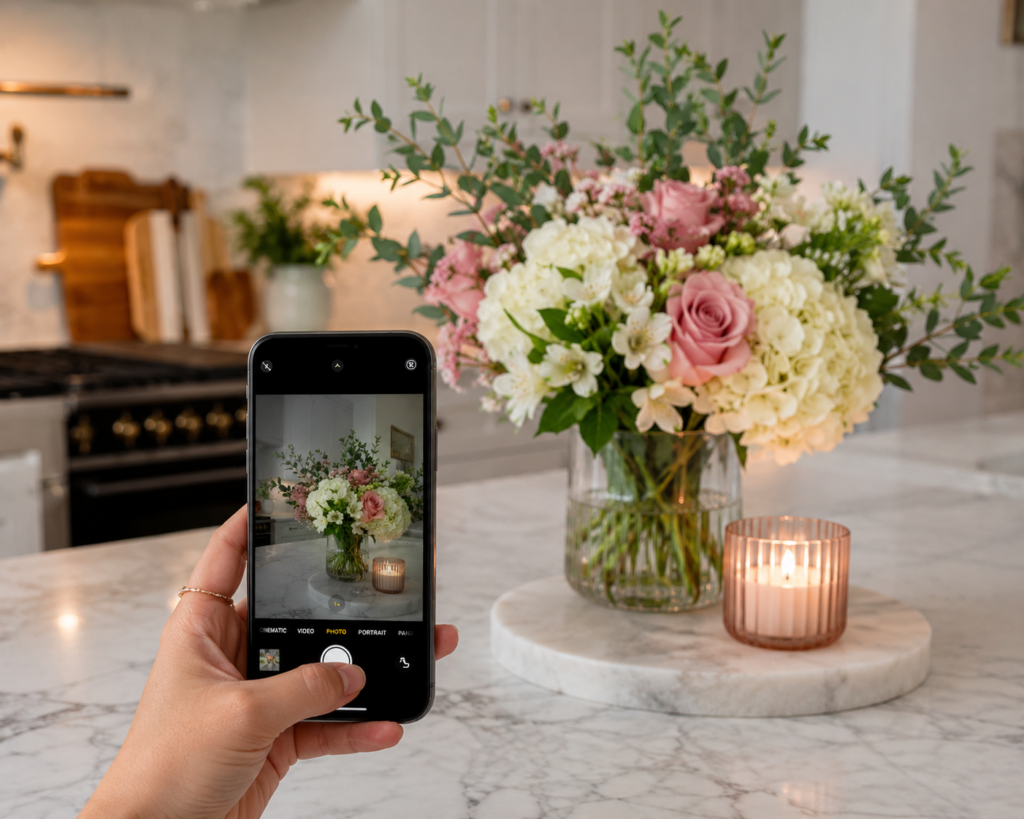
Use Social Media to Normalize Buying Flowers for Yourself
Social platforms are ideal for promoting self-purchase flowers. Content ideas include:
- “POV: You bought yourself flowers because Monday happened.”
- “Reminder: You don’t need someone else to send flowers.”
- “Weekly flower haul.”
- “Main character energy starts with fresh flowers.”
Short videos, relatable humor, and lifestyle content tend to perform well with modern flower buyers.
You’re not simply selling arrangements. You’re selling mood, atmosphere, and everyday joy.
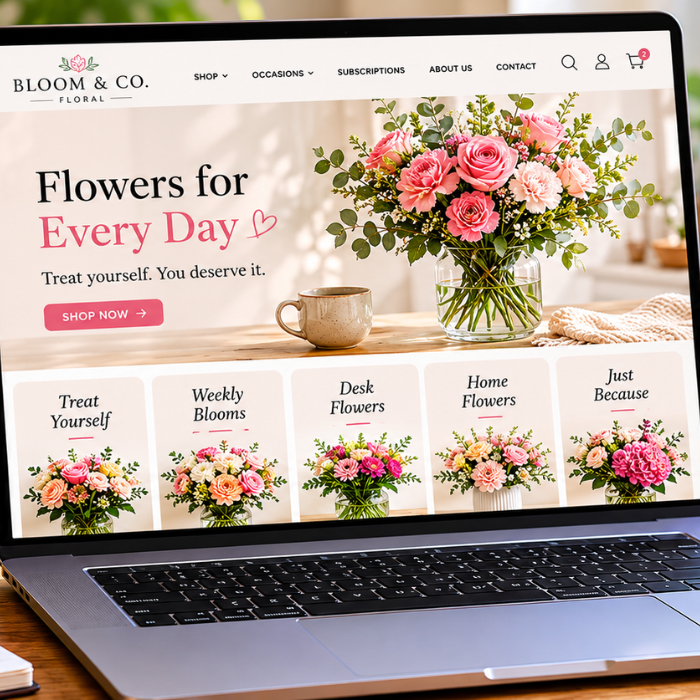
Optimize Your Florist Website for Everyday Flower Buyers
Your website should support impulse purchases and self-care shopping behavior. Ask yourself:
- Are everyday flowers easy to find?
- Do you offer lower-priced bouquets?
- Do product descriptions include self-care or lifestyle messaging?
- Is mobile shopping quick and easy?
- Do you promote subscriptions or loyalty programs?
Small website updates can make a significant difference in conversion rates.
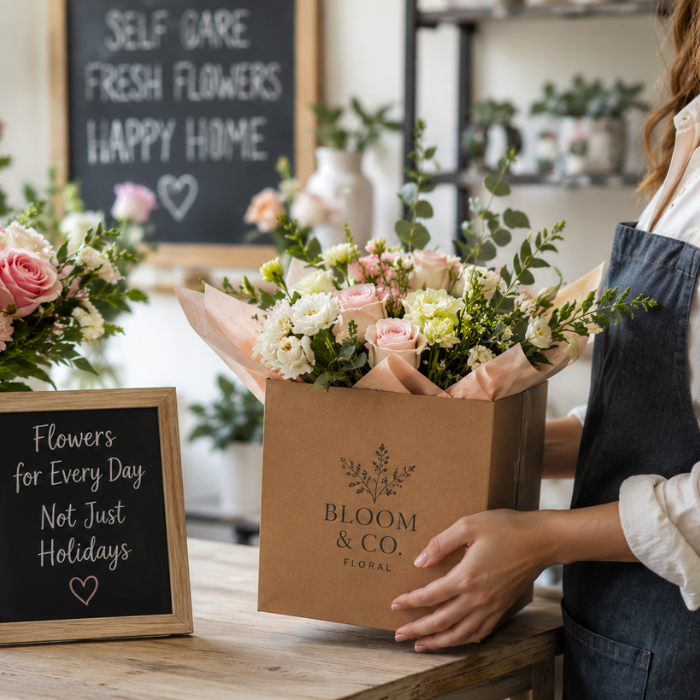
Final Thoughts: The Future of Flower Sales Isn’t Just Holidays
The floral industry has long centered around major occasions.But today’s consumers are changing the rules.
More customers are buying flowers for themselves, creating new opportunities for florists to grow everyday sales, encourage repeat purchases, and build stronger customer habits.
Florists who embrace the “Treat Yourself” trend through smart marketing, accessible products, and lifestyle-focused messaging may be well positioned to capture this growing demand.
Because sometimes the best flower customer isn’t waiting for a delivery from someone else, they’re shopping for themselves.
Trending Products

Benchmark Bouquets – Flowerin...

Perfectione Roses Preserved Flowers...

Sen Flora Preserved Flowers Bouquet...

CKLMMCZX Preserved Flowers Bouquet ...

KaBloom The Romantic Classic Red Ro...
lovenfold Flowers for Delivery Prim...

Stargazer Barn – Holiday Chee...

Benchmark Bouquets – Signatur...

Bloom’s Diary Preserved Flowe...
